
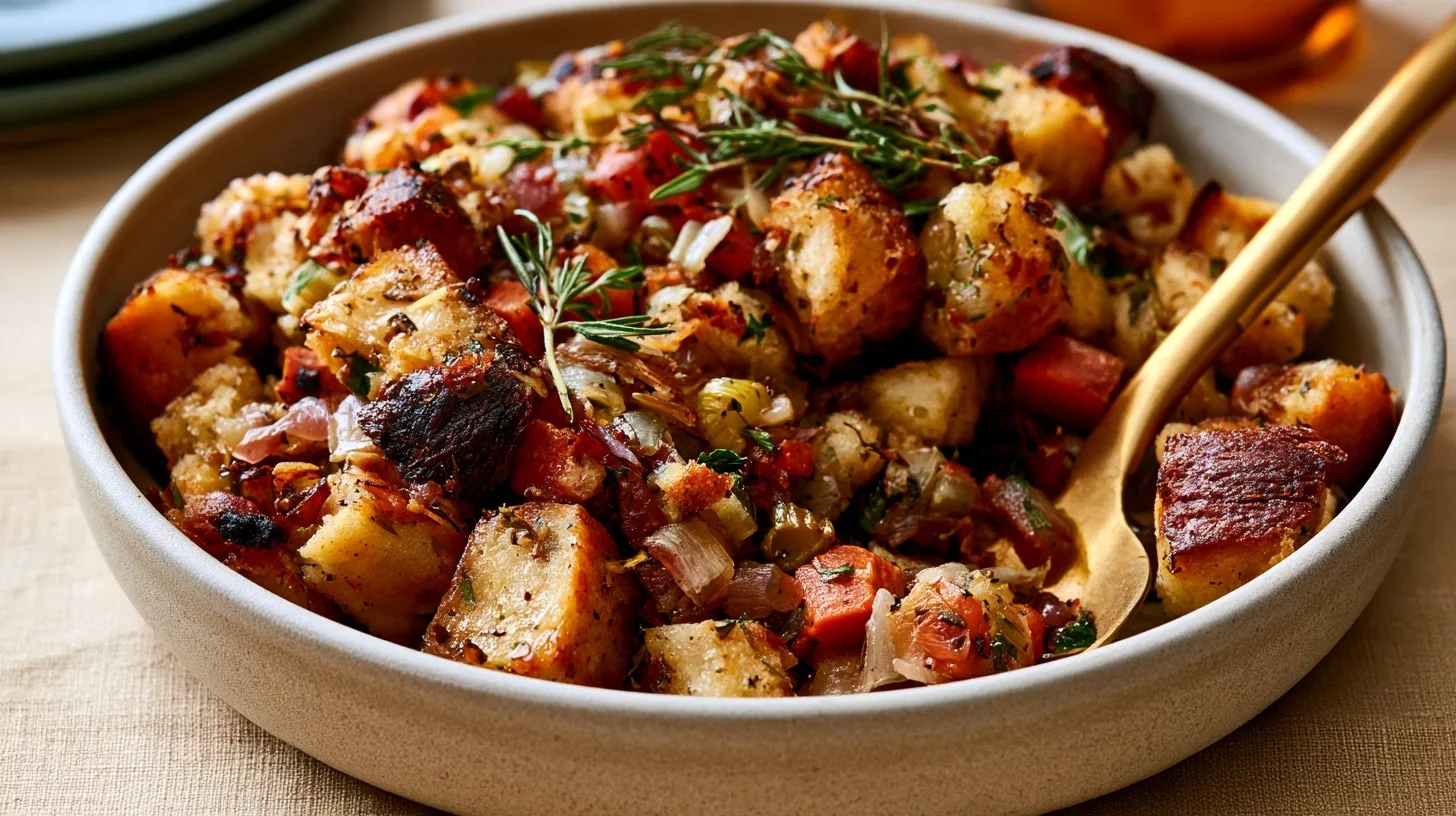
Are you looking for the perfect side dish to complement your holiday meal? Homemade stuffing is a classic choice, offering a comforting and flavorful addition to any feast. This beloved dish typically consists ofdry breadcubes mixed with savory ingredients. Common additions include sautéedonions, crisp celery, aromatic herbs, and rich butter, all moistened with flavorful broth.
Often associated with holiday meals, especially alongside roasted turkey, stuffing can be prepared in various ways. Some prefer to bake it inside the bird, absorbing all the delicious juices. Alternatively, many opt for baking it in a separate dish, creating what is often referred to as dressing. Both methods yield a wonderfully tender interior and a slightly crispy top. This versatility makes stuffing a cherished component of many traditional gatherings, regardless of how you prepare it.
Why Make Homemade Stuffing From Scratch?
Making homemade stuffing from scratch offers numerous benefits over pre-packaged options. You control every ingredient, ensuring fresh, high-quality components. This also allows for dietary adjustments, such as using gluten-free bread or low-sodium chicken broth. Furthermore, preparing it yourself lets you customize the flavor profile. You can add your favorite herbs, like fresh sage and thyme, or adjust the seasoning with more salt and pepper to suit your taste. Including eggs helps bind the mixture and creates a richer texture. The aroma of a homemade mixture baking in the oven fills your kitchen. You can prepare much of it in advance, making it a convenient make ahead dish. Assemble it in a baking dish, then simply bake it until it’s golden and delicious. Consider using sourdough bread for a tangy depth of flavor.
Essential Ingredients for the Best Homemade Stuffing
What are the essential ingredients for the best homemade stuffing? Crafting the perfect homemade stuffing requires a thoughtful selection of components. You will need a good quality bread, which forms the foundation of the dish. Day-old bread works best for absorbing all the savory liquids. Additionally, aromatic vegetables like onions and celery provide a crucial flavor base. Fresh herbs such as rosemary and parsley infuse the mixture with a fragrant essence. Do not forget a touch of minced garlic for depth. A rich broth, either chicken or vegetable, moistens the bread mixture. This helps it achieve a tender texture. Binding agents like eggs also contribute to the overall structure. Finally, butter adds richness and helps create a golden crust when baked in acasserole dish.
| Ingredient | Quantity/Notes |
|---|---|
| Stale Bread Cubes | 6-8 cups (sourdough, white, or whole wheat) |
| Butter | 1/2 cup (unsalted) |
| Onion | 1 medium (diced) |
| Celery Stalks | 2 (diced) |
| Garlic | 2 cloves (minced) |
| Chicken or Vegetable Broth | 2-3 cups |
| Eggs | 2 large (lightly beaten) |
| Fresh Rosemary | 1 tablespoon (chopped) |
| Fresh Parsley | 1 tablespoon (chopped) |
| Salt and Black Pepper | To taste |
Choosing the Perfect Bread for Your Stuffing
Choosing the perfect bread for your stuffing is crucial for achieving the right texture and flavor. What type of bread should you select? The ideal choice is day-old or slightly stale bread. This allows it to absorb liquids without becoming soggy. Many varieties work wonderfully. Sourdough offers a delightful tanginess, adding complexity to the dish. White sandwich bread provides a classic, soft foundation. Alternatively, whole wheat bread contributes a nuttier flavor and heartier texture. Consider cornbread for a distinct sweetness and crumbly consistency. Challah, a rich, eggy loaf, also creates a luxurious stuffing. You can even combine different types for a unique blend of tastes and textures.
Key Flavor Enhancers: Herbs, Broth, and Aromatics
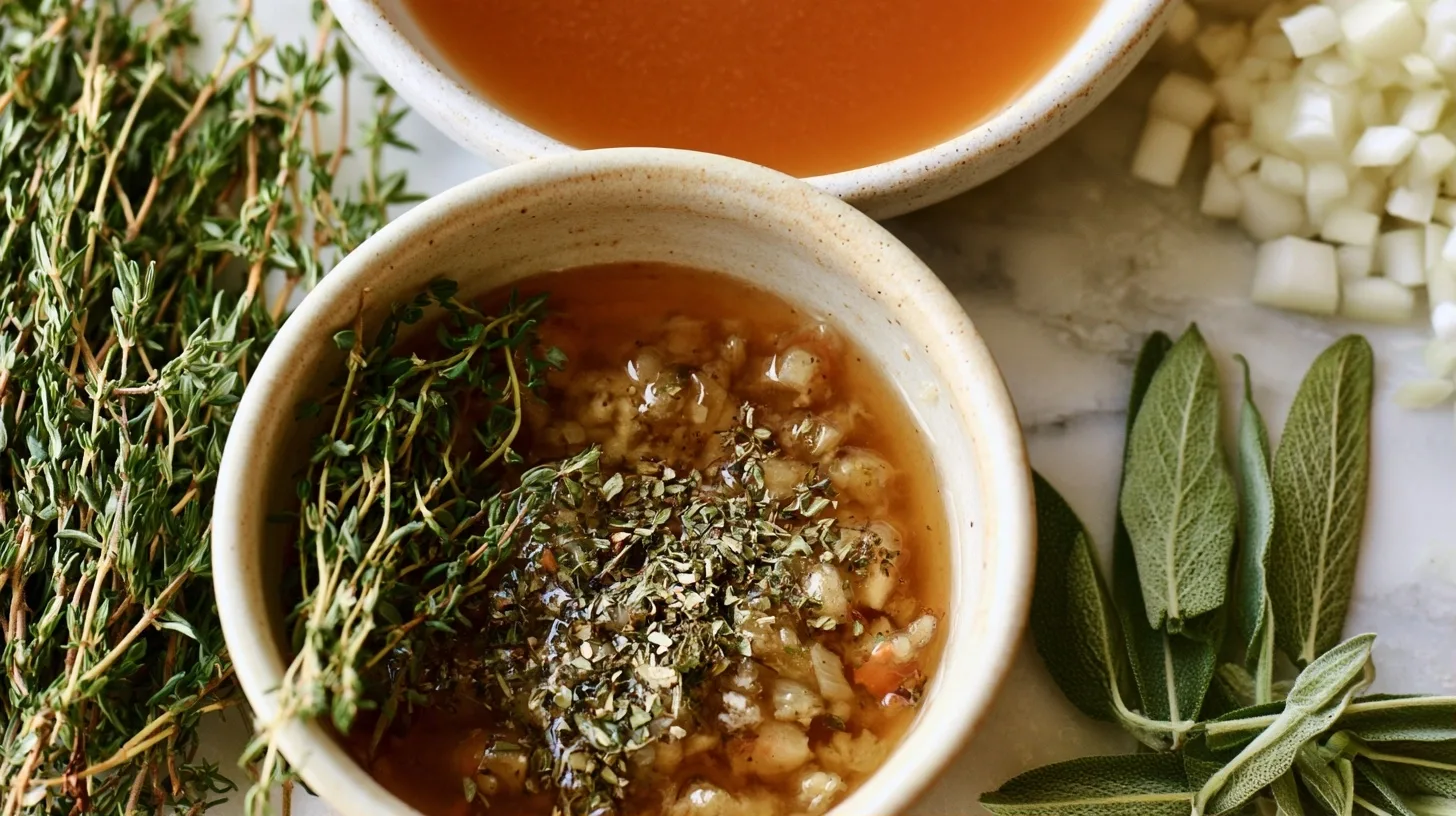
What elevates a simple mixture to an extraordinary side dish? Thoughtful additions of herbs, savory liquids, and aromatic vegetables are key. These components infuse deep, complex tastes into every bite. Fresh herbs are indispensable for bright, fragrant notes. Thyme brings an earthy, slightly floral quality. Sage offers a warm, peppery essence. These fresh ingredients awaken the palate. A flavorful liquid, such as chicken or vegetable stock, is essential for tenderizing the mixture. It ensures the finished product is not dry. This liquid also carries the rich tastes throughout the dish. Finally, aromatics like chopped onions and minced shallots provide a foundational layer of savory goodness. They caramelize slightly during cooking, adding sweetness and depth. These elements work together to create a truly memorable homemade stuffing.
Preparing Your Bread for Homemade Stuffing
Preparing your bread for homemade stuffing involves a few simple steps. How do you properly prepare it? The first crucial step is drying the bread. This helps it absorb the liquid ingredients without becoming mushy. You can dry it by leaving the cubed bread out overnight. Alternatively, bake the cubes in a low oven. Spread them on a baking sheet at 250°F (120°C) for 20-30 minutes. This method works well for a quicker drying process. Ensure the cubes are completely cool before mixing with other ingredients. This prevents unwanted condensation. Proper drying guarantees a delightful texture in your finished homemade stuffing.
How to Make Bread Cubes for Homemade Stuffing
How do you create perfect bread cubes for your homemade stuffing? Preparing the bread correctly is essential for optimal texture. This method ensures your bread cubes absorb flavor without becoming soft.
Step 1: Slice the Loaf.Begin by cutting your chosen loaf into slices about 1 inch thick. A serrated knife works best for this task.
Step 2: Cube the Slices.Next, cut these slices into even 1-inch cubes. Uniform sizing promotes consistent drying and baking.
Step 3: Arrange on a Tray.Spread the bread cubes in a single layer on a large baking sheet. Avoid overcrowding for proper air circulation.
Step 4: Dry Them Out.You can air-dry them overnight for a softer chew. Alternatively, bake at 250°F (120°C) for 20-30 minutes until crisp.
Step 5: Cool Completely.Allow the dried pieces to cool fully before using them. This prevents condensation and maintains their crispness.
Drying the Homemade Stuffing Bread Cubes for Optimal Texture
Drying the bread cubes is crucial for achieving the perfect texture in your homemade stuffing. Why is this step so important? It prevents the final product from becoming soggy. Properly dried bread acts like a sponge, absorbing flavorful liquids without falling apart. You have two main options for drying. Air-drying involves spreading the small pieces on a baking sheet. Leave them uncovered at room temperature overnight. This method allows for a gradual drying process. Alternatively, you can use a low-temperature bake. Place the cubed pieces on a baking sheet. Bake them at 250°F (120°C) for 20-30 minutes. This quickens the process significantly. Ensure the pieces are firm and slightly crisp. Always let the dried pieces cool completely before mixing them with other components. This prevents any steam from softening them. Achieving this ideal dryness ensures a delightful, toothsome consistency.
Assembling Your Delicious Homemade Stuffing
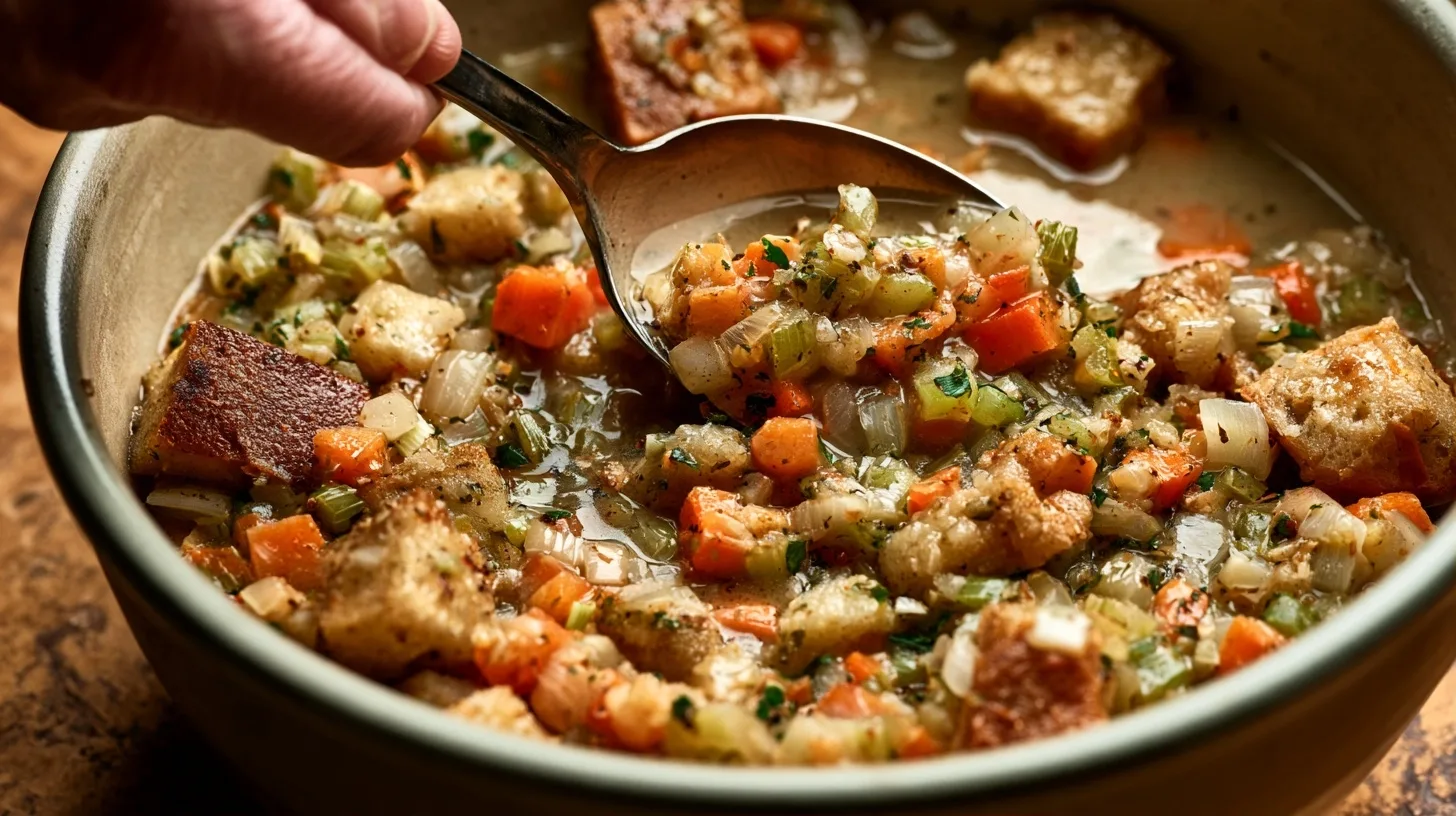
Assembling your delicious homemade stuffing involves combining the dried bread cubes with other flavorful components. What is the best way to ensure all ingredients are well-incorporated? Start by gathering all your prepped ingredients. In a large mixing bowl, gently combine the dried bread cubes. Add your sautéed aromatics and any chosen proteins. Toss these ingredients together to distribute them evenly. Next, gradually pour in the warmed liquid. Mix until the bread cubes are thoroughly moistened. Be careful not to overmix, as this can break down the bread too much. The mixture should be damp but not soggy. Transfer the prepared mixture to a baking dish. You can bake it immediately or prepare it ahead of time. This method ensures a perfectly textured and flavorful dish.
Achieving the Best Golden Crunchy Edges
To achieve wonderfully crispy edges on your homemade stuffing, you need to understand the science of heat distribution. How can you maximize that desirable crunch? The secret lies in strategic placement and proper cooking techniques. First, consider your cooking vessel. A shallow pan allows for more surface area exposure. This means more of your mixture can develop a lovely, browned crust. Avoid deep containers if you prioritize crispiness. Secondly, do not overcrowd the pan. Spread the mixture loosely. This allows hot air to circulate freely around the individual pieces. Overpacking traps steam, which leads to a softer result. Finally, adjust your cooking temperature. A slightly higher temperature during the last 10-15 minutes of cooking can promote browning. You can also uncover the pan for this final duration. This helps evaporate excess liquid and crisp up the top layer. For visual guidance, explore thishelpful video on achieving crispy textures.
Baking and Serving Your Homemade Stuffing
Baking and serving your delightful homemade stuffing is the final step in creating a memorable meal. How do you ensure it cooks perfectly and is presented beautifully? Proper temperature and timing are key for a delicious outcome. Preheat your oven to 375°F (190°C). Cover the baking vessel loosely with foil. This helps to keep the interior tender while it cooks. Bake for 25 minutes, allowing the flavors to meld. Remove the foil for the last 10-15 minutes. This step encourages a lovely browned exterior. Your stuffing should be cooked through and lightly colored. A meat thermometer inserted into the center should read 165°F (74°C). Let the cooked mixture rest for a few minutes before serving. This allows it to set slightly. Serve warm as an excellent accompaniment to your main course. For an easy weeknight version, try ourcrockpot chicken and stuffing.
Tips for Making Homemade Stuffing Ahead of Time
Making your own dressing in advance can save you time on busy days. What are the best strategies for preparing this delicious accompaniment ahead? Proper storage and reheating methods are essential. You can prepare the entire mixture, including the liquid, up to 24 hours before baking. Store it in an airtight container in the refrigerator. This allows the flavors to deepen. Alternatively, freeze the unbaked mixture for longer storage. If freezing, thaw completely in the refrigerator before baking. When ready to bake, transfer the mixture to your preferred pan. Add a splash of additional liquid if it seems dry. Cover it and bake as directed, then uncover for the final browning.
Frequently Asked Questions About Homemade Stuffing
How do you make homemade stuffing from scratch?
Creating your own dressing involves several steps. First, prepare your dry cubes from stale loaves. Then, sauté aromatic vegetables like chopped onions and celery. Combine these with the dried cubes, liquid, and seasonings. Transfer the mixture to a suitable vessel and cook until thoroughly heated and fragrant. For a visual guide, consider watching this helpfulstuffing preparation video.
What are the best ingredients for homemade stuffing?
Excellent ingredients elevate your homemade stuffing. Start with quality dried cubes, such as those from enriched white loaves or whole wheat varieties. Include savory components like sausage or mushrooms for added depth. A flavorful liquid, such as vegetable or chicken stock, is essential. Fresh or dried spices, along with butter, enhance the overall taste and texture.
Can you make homemade stuffing ahead of time?
Yes, you can certainly prepare homemade stuffing in advance. Assemble all the components and mix them. Store the unbaked mixture, covered, in the refrigerator for up to 24 hours. Alternatively, you can fully bake it, then reheat it just before serving. This saves time on busy occasions.
How long does homemade stuffing last in the fridge?
Cooked homemade stuffing remains fresh in the refrigerator for three to four days. Ensure it is stored in an airtight container to maintain its quality. Reheat any leftovers thoroughly before consumption. Freezing is also an option for longer storage.
What kind of bread is best for homemade stuffing?
The ideal loaf for homemade stuffing is one that is slightly stale. This allows it to absorb the liquid without becoming mushy. Enriched white loaves, whole wheat, or even cornbread work wonderfully. The choice depends on your desired flavor profile and texture. For example, a robust rye loaf offers a distinct taste compared to a softer brioche.

Ultimate Homemade Stuffing from Scratch
This classic homemade stuffing recipe offers a comforting and flavorful addition to any holiday meal. Made with day-old bread, aromatic vegetables, fresh herbs, and rich broth, it can be baked inside a bird or in a separate dish for a wonderfully tender interior and a slightly crispy top.
- Total Time:1 hour
- Yield:8-10 servings
Ingredients
6-8cups stale bread cubes (sourdough, white, or whole wheat)
1/2 cupunsalted butter
1medium onion, diced
2celery stalks, diced
2cloves garlic, minced
2-3cups chicken or vegetable broth
2large eggs, lightly beaten
1 tablespoonfresh rosemary, chopped
1 tablespoonfresh parsley, chopped
Salt and black pepper to taste
Instructions
Prepare the bread cubes: Cut your chosen bread into 1-inch cubes. Spread them in a single layer on a large baking sheet. Air-dry overnight, or bake at 250°F (120°C) for 20-30 minutes until crisp. Let cool completely.
Sauté aromatics: In a large skillet or pot, melt the butter over medium heat. Add the diced onion and celery and cook until softened, about 5-7 minutes. Add the minced garlic and cook for another minute until fragrant.
Combine ingredients: In a large mixing bowl, combine the dried bread cubes, sautéed onion and celery mixture, chopped fresh rosemary, and chopped fresh parsley. Season with salt and black pepper to taste.
Add liquids: In a separate bowl, whisk together the chicken or vegetable broth and the lightly beaten eggs. Gradually pour the liquid mixture over the bread mixture, tossing gently until the bread cubes are thoroughly moistened. Be careful not to overmix.
Bake the stuffing: Transfer the stuffing mixture to a greased 9×13 inch baking dish. You can bake it immediately or cover and refrigerate for up to 24 hours.
Bake in a preheated oven at 375°F (190°C) for 30-40 minutes, or until golden brown and heated through. If you prefer a crispier top, you can uncover it for the last 10-15 minutes of baking.
Serve hot and enjoy your delicious homemade stuffing!
Notes
Make ahead:Assemble the stuffing, cover and refrigerate for up to 24 hours. Add a splash of broth before baking if it looks dry.
Herbs:For a more classic flavor, add or swap in fresh sage and thyme.
Crispy edges:Use a shallow baking dish and uncover for the last 10-15 minutes.
Storage:Keep leftovers in an airtight container in the fridge for 3-4 days and reheat until hot.
- Prep Time:20 minutes
- Cook Time:40 minutes
- Category:Side Dish
- Method:Baking
- Cuisine:American